Puttgarden ⇄ Rødby · 45 min · about 19 km
Weather and sea state on the Puttgarden Rødby ferry: wind, waves, cancellations
The crossing is short, but you can still feel a strong wind on the Fehmarnbelt. When it blows, that rarely means a cancelled ferry, more often a Fehmarnsund Bridge closed to caravans.
Booking online avoids the handling fee of at least €15 at the harbour.Book online & save at least €15
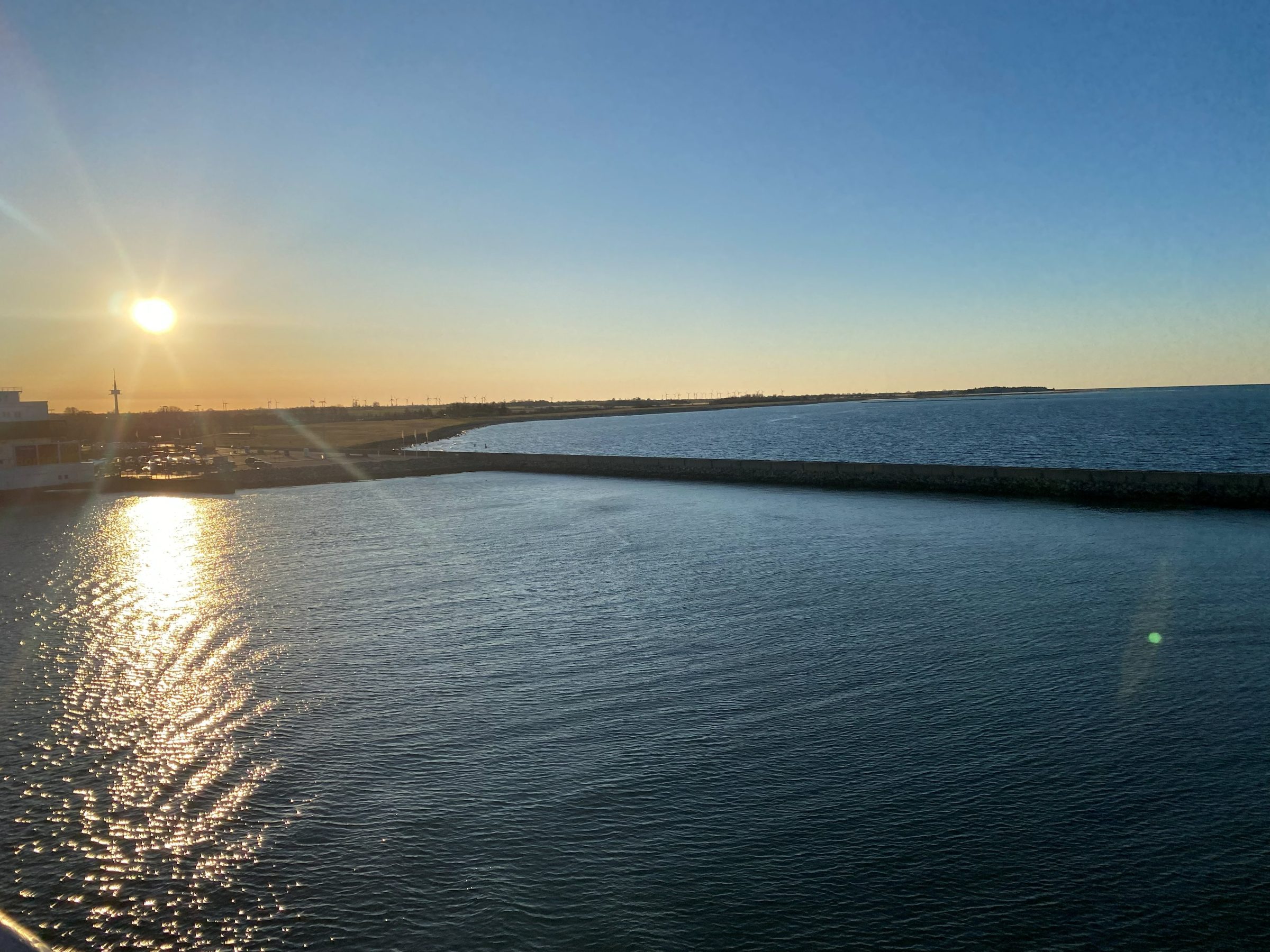
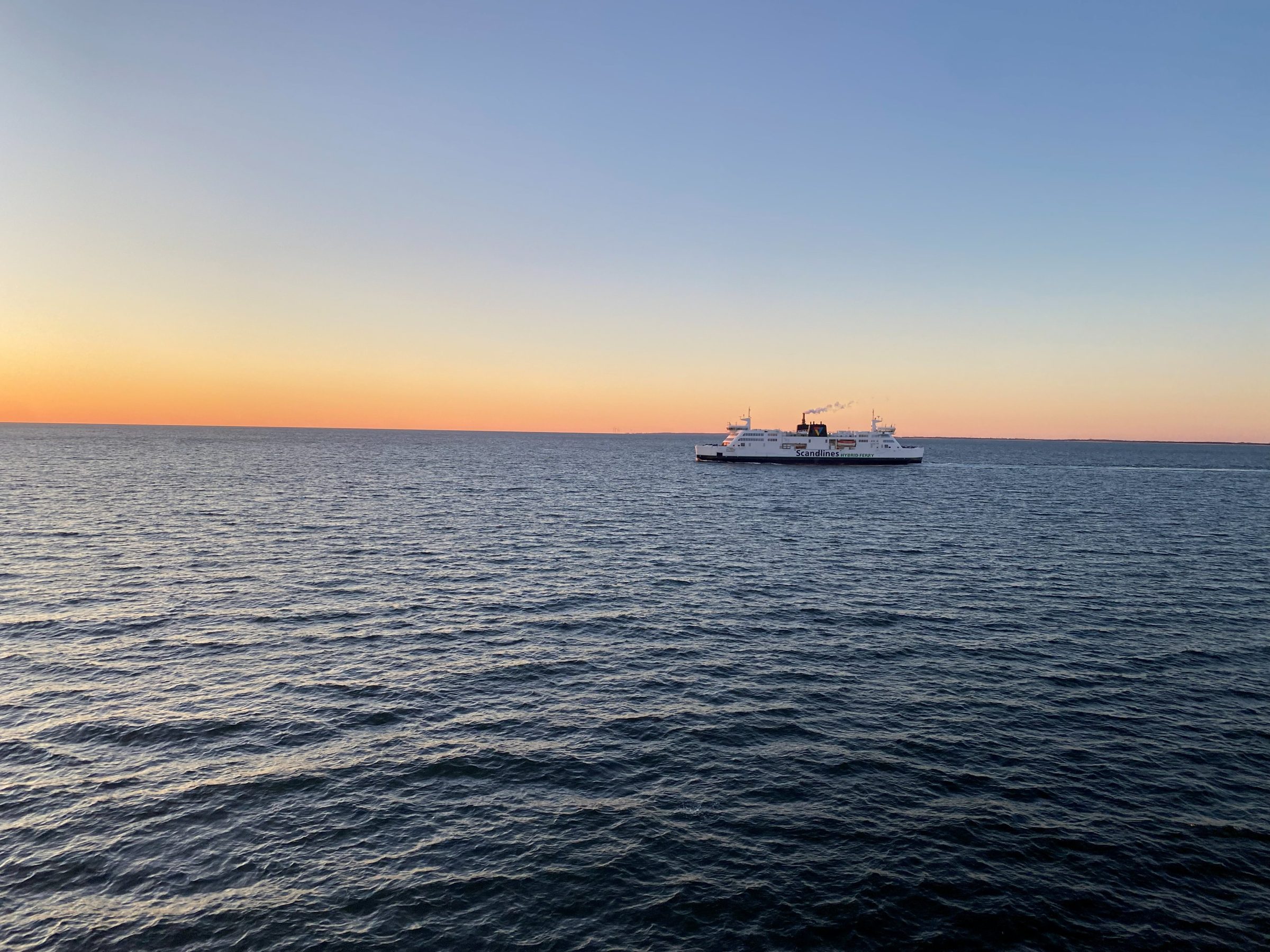
Forty-five minutes on open water is long enough to notice a westerly gale, not long enough to worry about.
Weather at the ports right now
Puttgarden
Loading forecast…
Rødby
Loading forecast…
Both boxes use the Open-Meteo forecast for the port coordinates, refreshed every hour. The ports are 19 kilometres apart and usually share the same weather; what differs is the wind, usually stronger out on the water than on the quay.
Wind and waves on the Fehmarnbelt
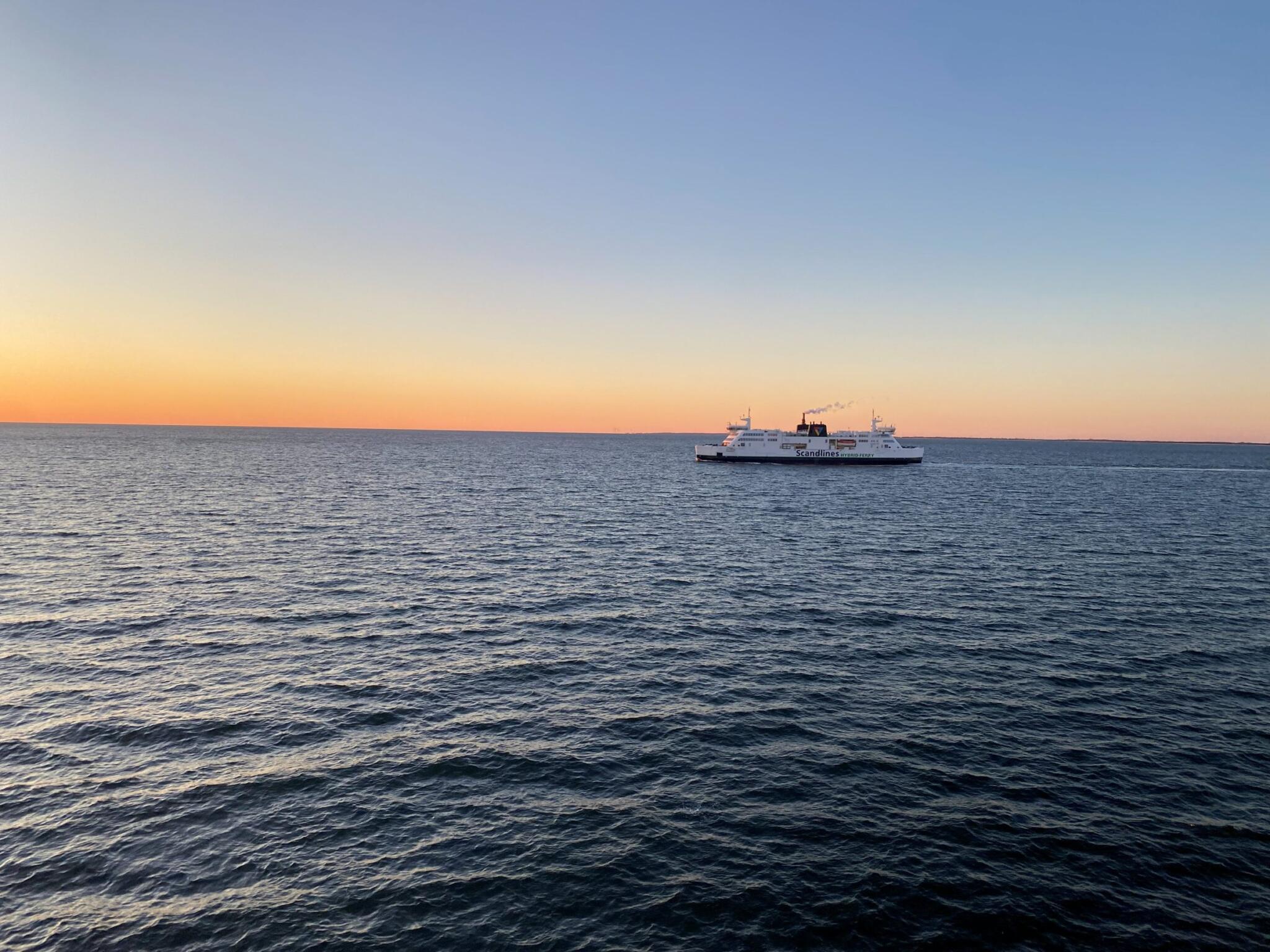
Two Windy maps, one model: the ECMWF forecast for the Belt, wind at the surface and the wave height. The ferries cross the Belt at a right angle to the usual westerly wind, so on a windy day the ship rolls slightly for the middle twenty minutes and is steady near both harbours.
Wind on the Fehmarnbelt
The map comes from Windy.com. It loads after you click, because Windy then receives your IP address and may set cookies.
Wave height on the Fehmarnbelt
The map comes from Windy.com. It loads after you click, because Windy then receives your IP address and may set cookies.
When does Scandlines cancel, and what happens then
Rarely. The ferries are built for this crossing and sail through most autumn and winter weather; cancellations happen in named storms, and then usually for a few hours rather than a day. Scandlines decides per sailing and publishes disruptions on its own departure board. On a stormy day, check the timetable before you leave home, and check it again at Fehmarn.
If your sailing is cancelled, your ticket is valid on the next ferry with space, whatever ticket type you have; the rules for a refund instead are on the page about cancelling or changing a ticket. With sailings about every 40 minutes by day, a storm gap closes quickly once the ships start again, but expect a queue in the lanes.
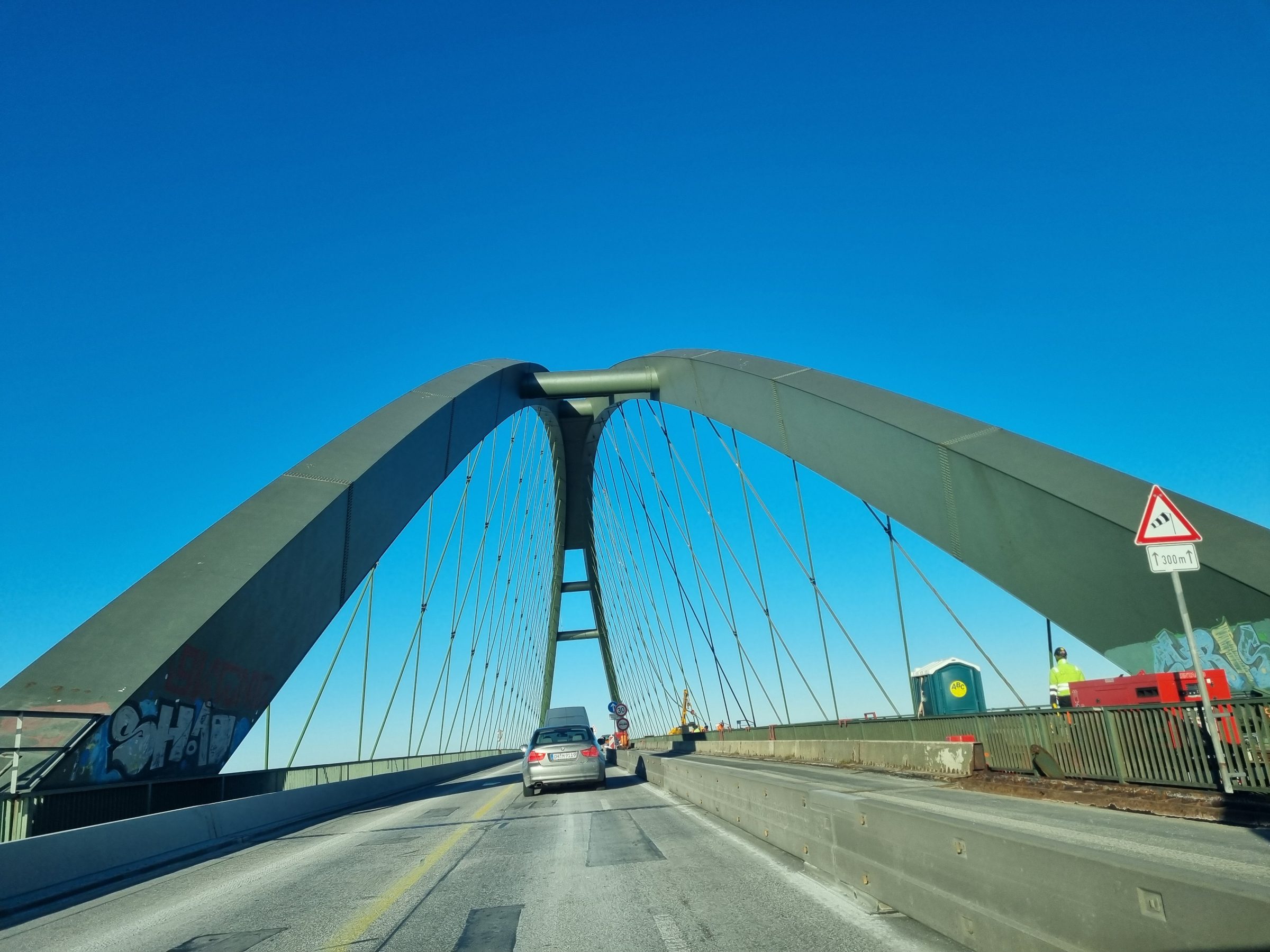
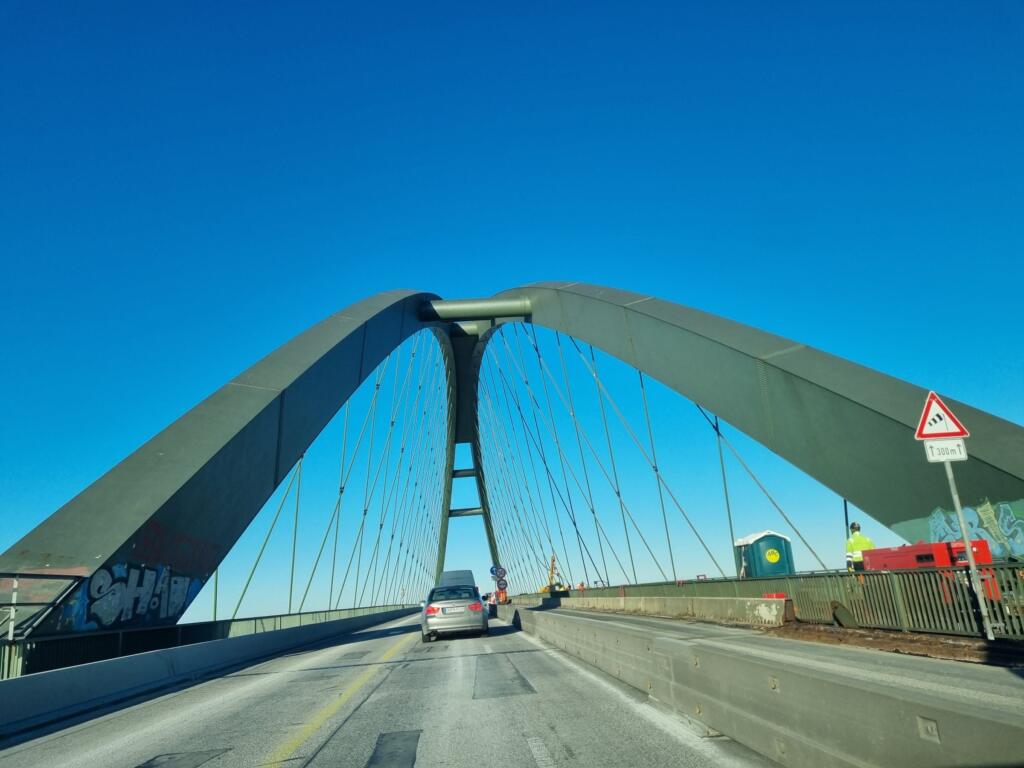
The bigger problem: the Fehmarnsund Bridge. The only road onto Fehmarn crosses the Fehmarnsund on a high bridge that is closed to wind-sensitive vehicles in strong wind: caravans, trailers, motorhomes and high-sided vans. On stormy days that closure, not the ferry, is what strands people. If you tow, watch the wind forecast for the bridge and not only for the ferry.
Seasick on a 45 minute crossing?
Few people are. The Belt is shallow and short, the ships are large, and the rough part lasts about twenty minutes. If you are sensitive, sit on the passenger deck midships near a window and look at the horizon, or stand on the sun deck in the wind; do not sit in the corner with the gaming machines. Fresh air works better than anything from the shop.