Puttgarden ⇄ Rødby · 45 min · about 19 km
Fehmarn and Rødbyhavn: the two ends of the crossing, and why the ferry has so many names
Puttgarden Rødby, Fehmarn Rødbyhavn, the Vogelfluglinie: three names, one 45 minute ferry, and if you are planning from abroad the confusion is understandable. Puttgarden is the port on the island of Fehmarn, Rødbyhavn is the port five kilometres from the town of Rødby.
Booking online avoids the €15+ handling fee charged when buying your ticket in the manned harbour lane.Book online & save at least €15
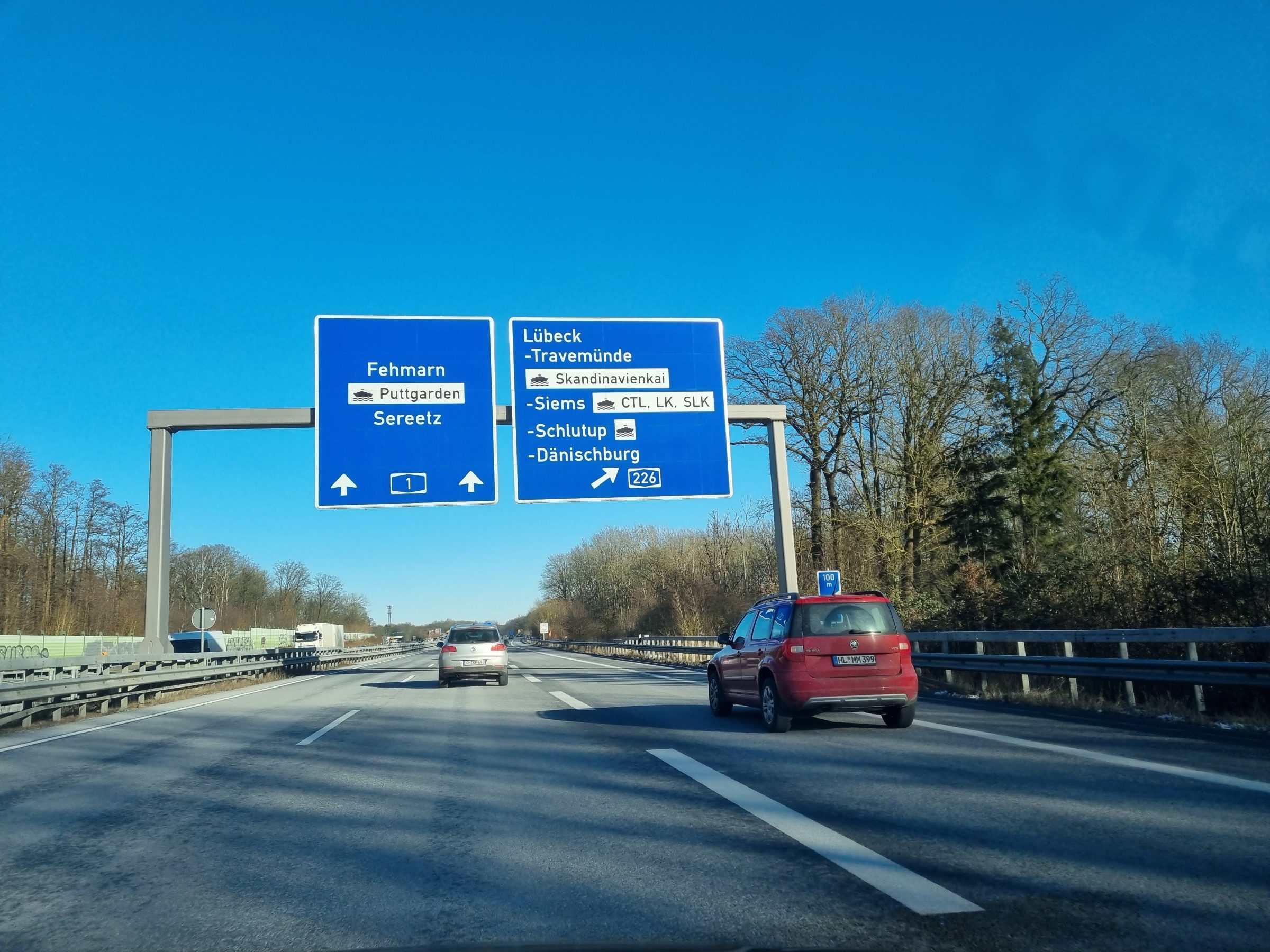
Once the names are sorted, both ends turn out to have more than a ramp: the beaches of Fehmarn and a campsite within walking distance of the ferry on one side, Lalandia and the tunnel works at Rødbyhavn on the other.
The names: Puttgarden, Fehmarn, Rødby, Rødbyhavn, Vogelfluglinie
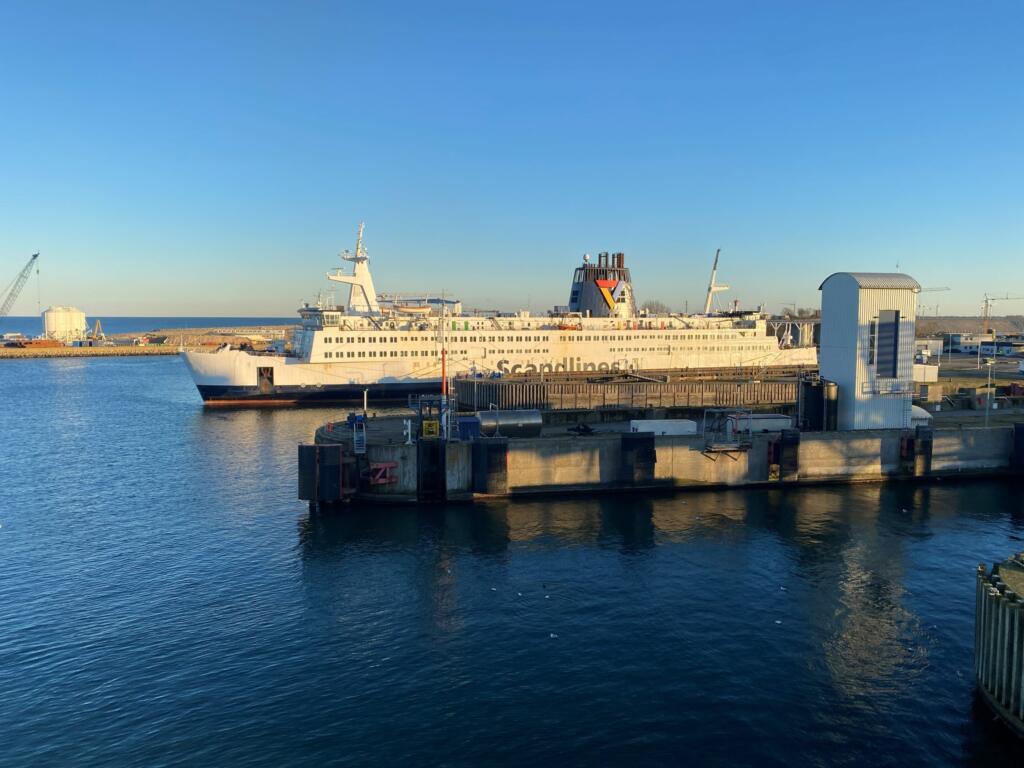
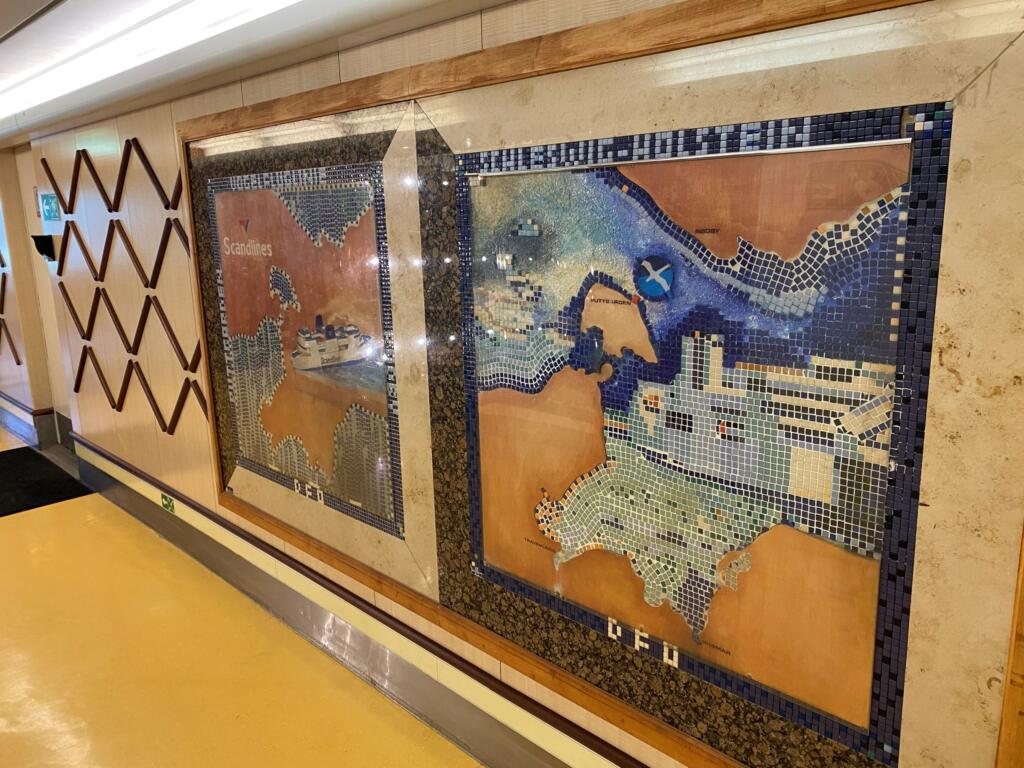
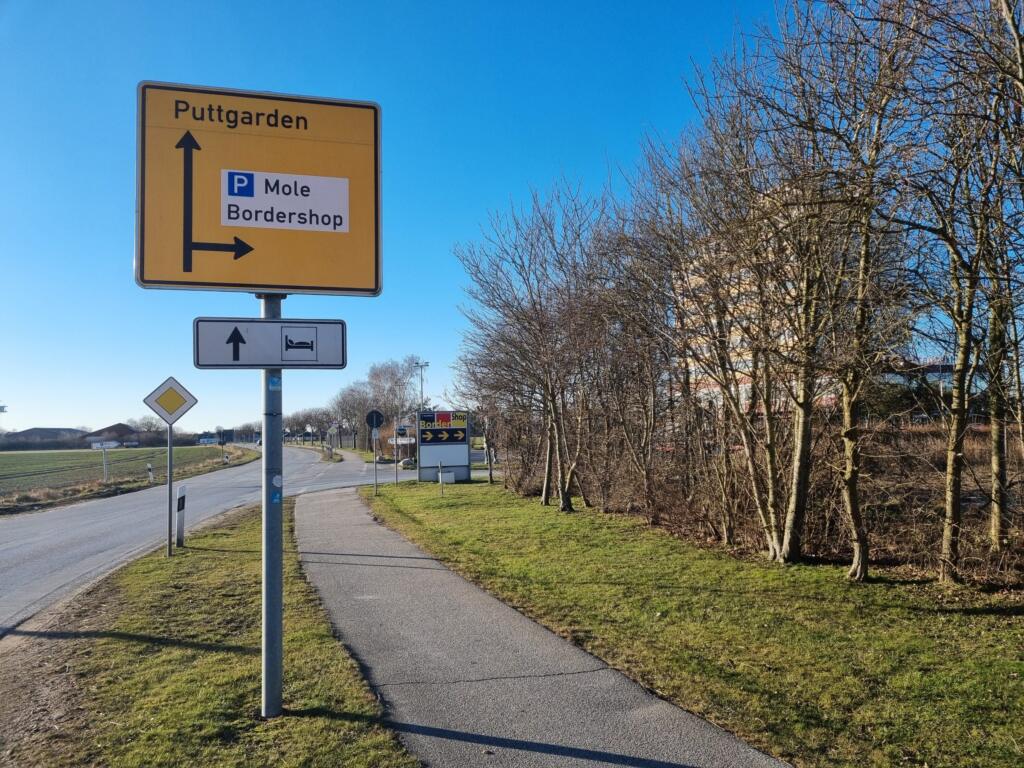
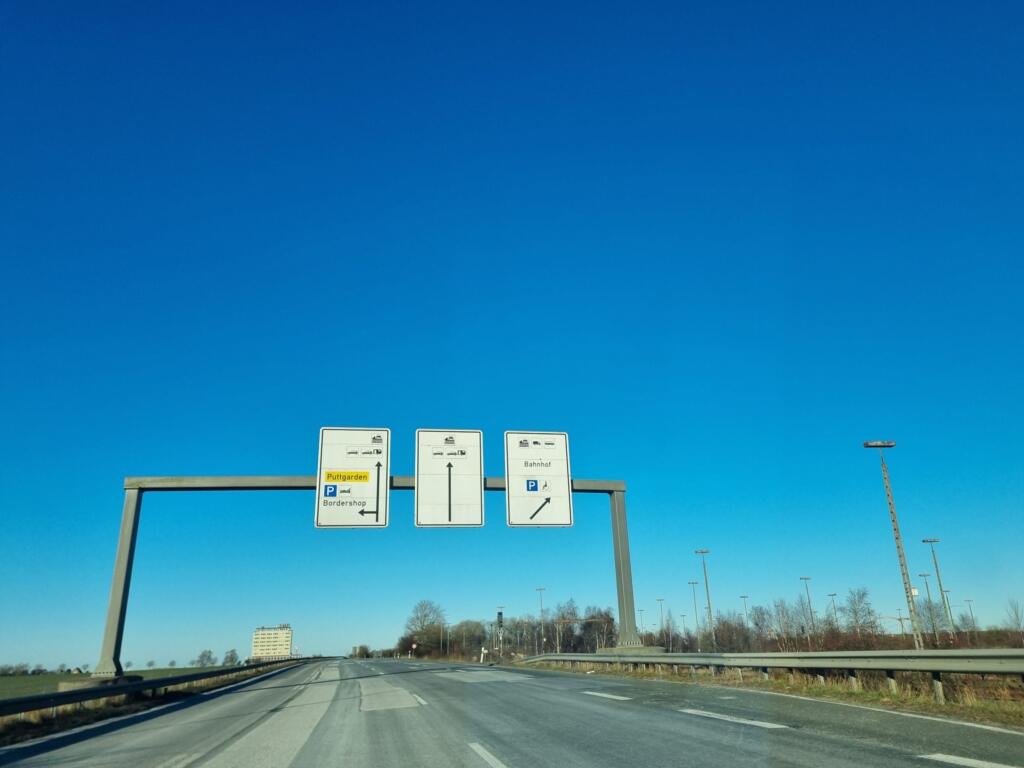
Start on the German side. Puttgarden is the ferry port at the northern tip of Fehmarn, Germany’s third-largest island, connected to the mainland by the Fehmarnsund Bridge. Germans say “the Fehmarn ferry” as often as “Puttgarden”. On the Danish side the ferry berths at Rødbyhavn, a port town built for the ferry; Rødby itself is the older market town five kilometres inland, and the timetable, the tickets and the road signs all say Rødby. The whole route, from Hamburg via Fehmarn and Lolland to Copenhagen, has been called the Vogelfluglinie, the bird flight line, since the ferry opened in 1963, because it follows the migration route of the birds across the Belt. The upshot: Puttgarden Rødby, Fehmarn Rødbyhavn and Vogelfluglinie are one and the same Scandlines ferry, about every 40 minutes by day, 45 minutes, whichever name your sat nav prefers.
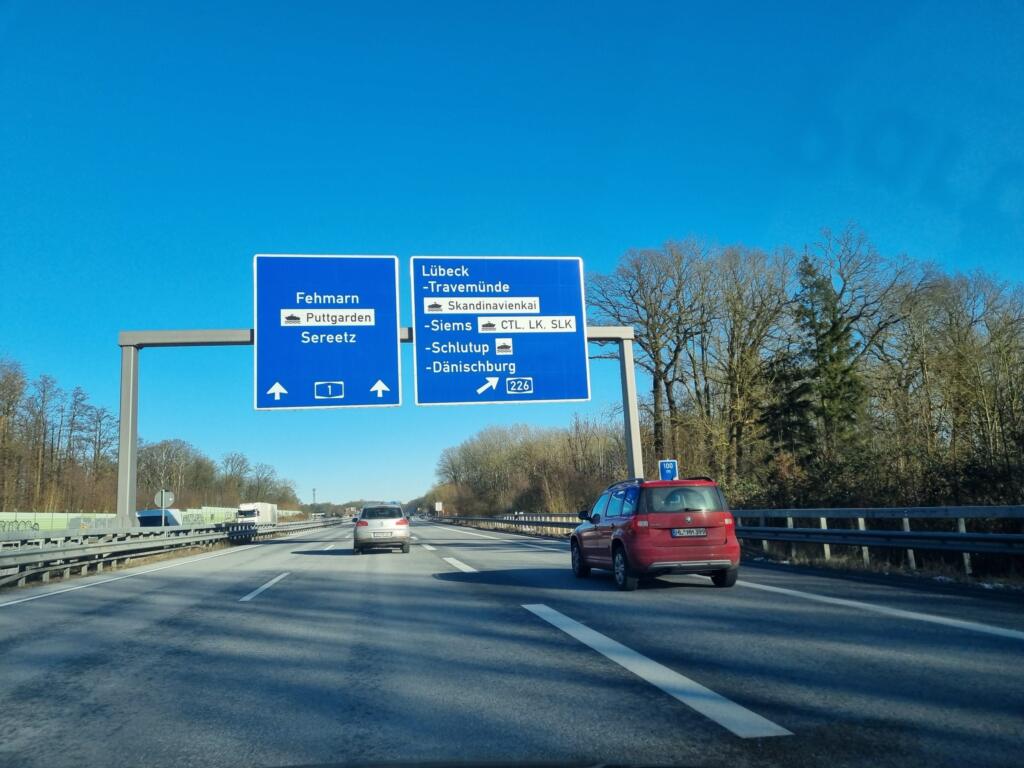
Fehmarn: the island before the ferry
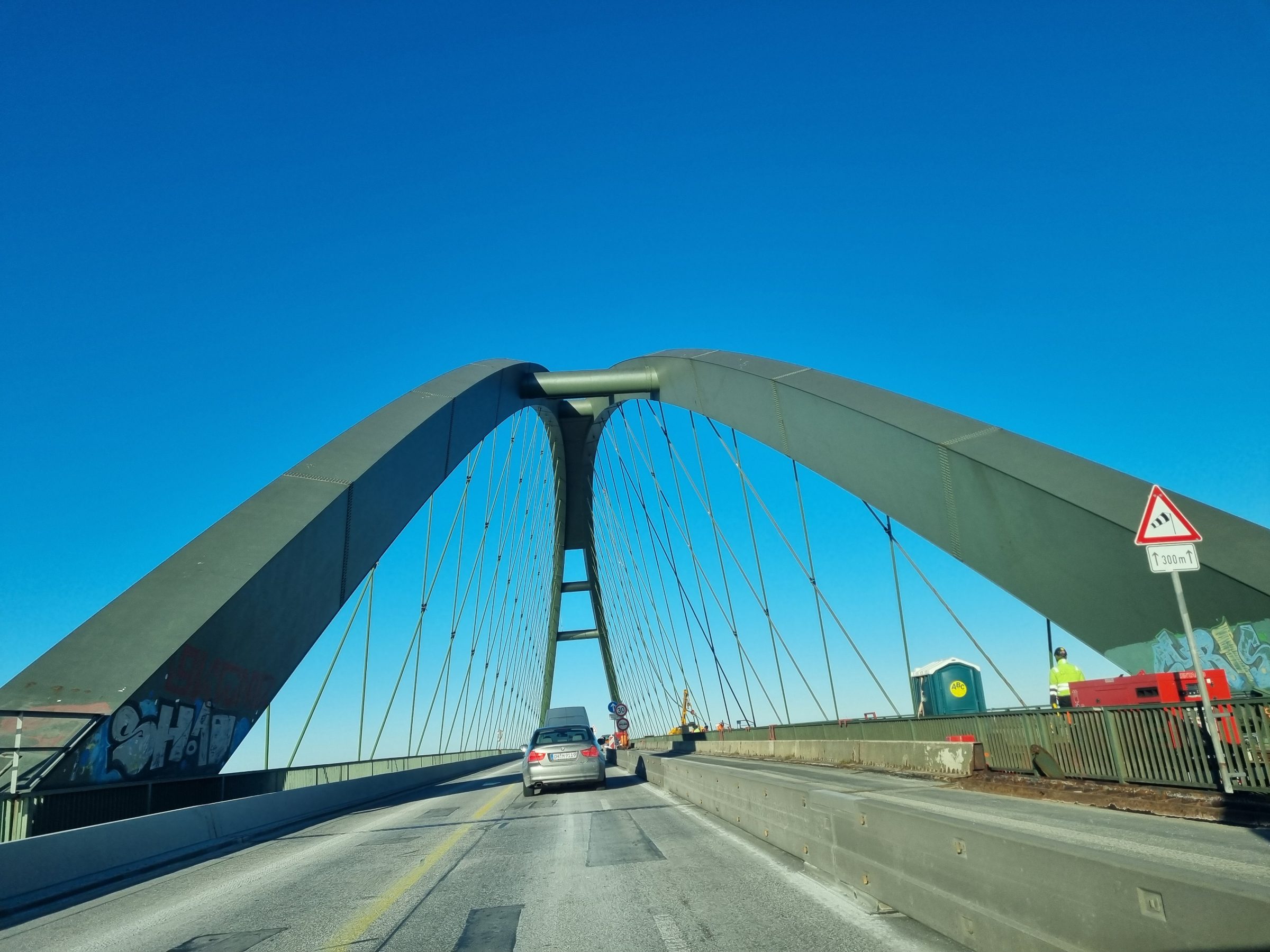
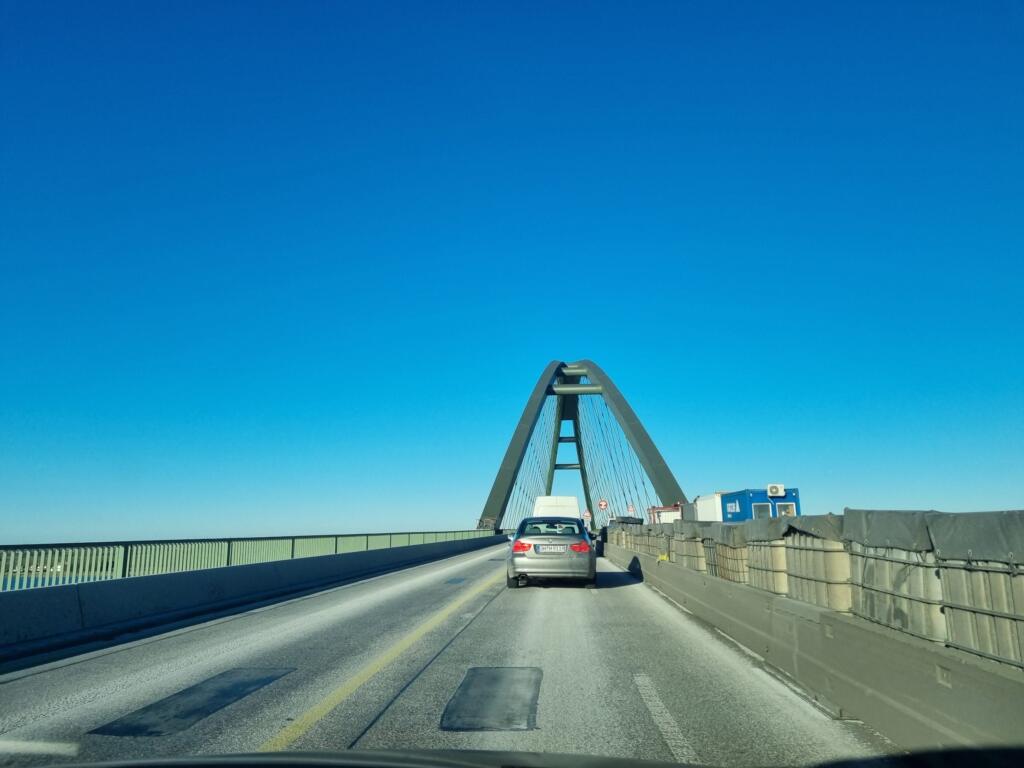
You reach Fehmarn over the Fehmarnsund Bridge, the steel arch from 1963 that carries the E47 and the railway onto the island, and that is closed to caravans in strong wind. From the bridge it is 20 minutes across flat farmland to Puttgarden. There is not much on the island in the way of sights, and that is its charm: long sandy beaches at Südstrand near Burgtiefe and on the west coast, kitesurfing spots, the small town of Burg in the middle with shops and restaurants, and a lot of campsites. Fehmarn is a holiday island for northern Germans, and for ferry travellers the last stop before Denmark.
Staying the night before the ferry: Camping Puttgarden lies within walking distance of the port. It is a transit site rather than a holiday resort, and exactly what you want before an early sailing or after a late one. If you arrive late from the south, this beats driving on to Denmark in the dark.
Rødbyhavn and Rødby: the Danish side
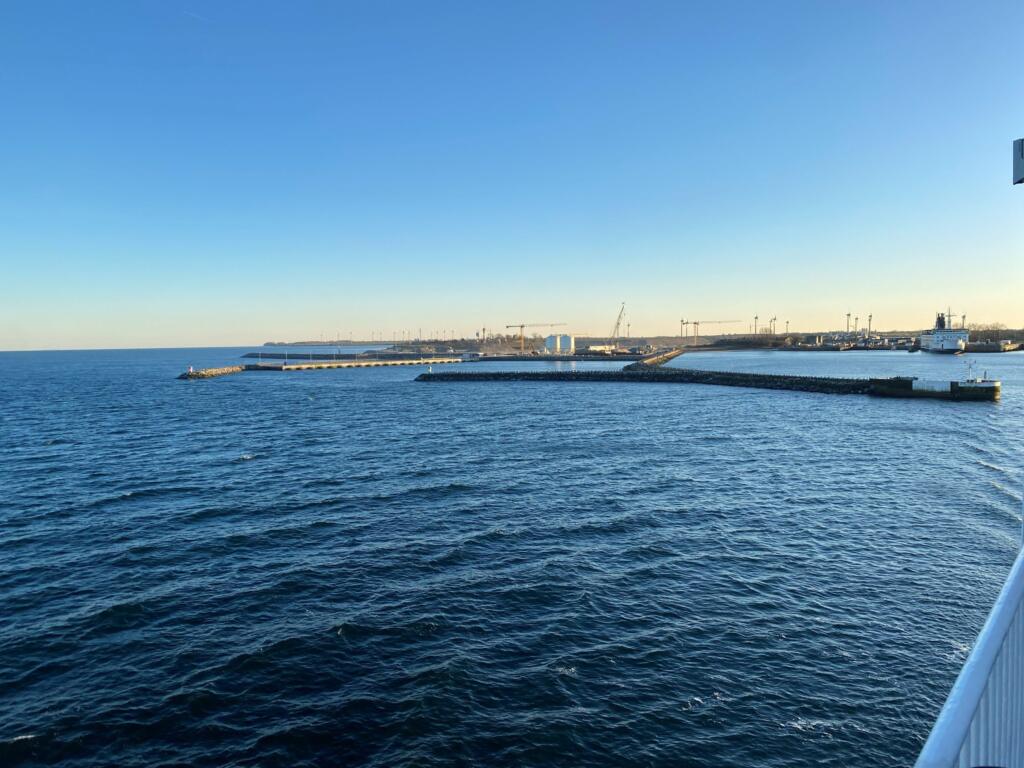
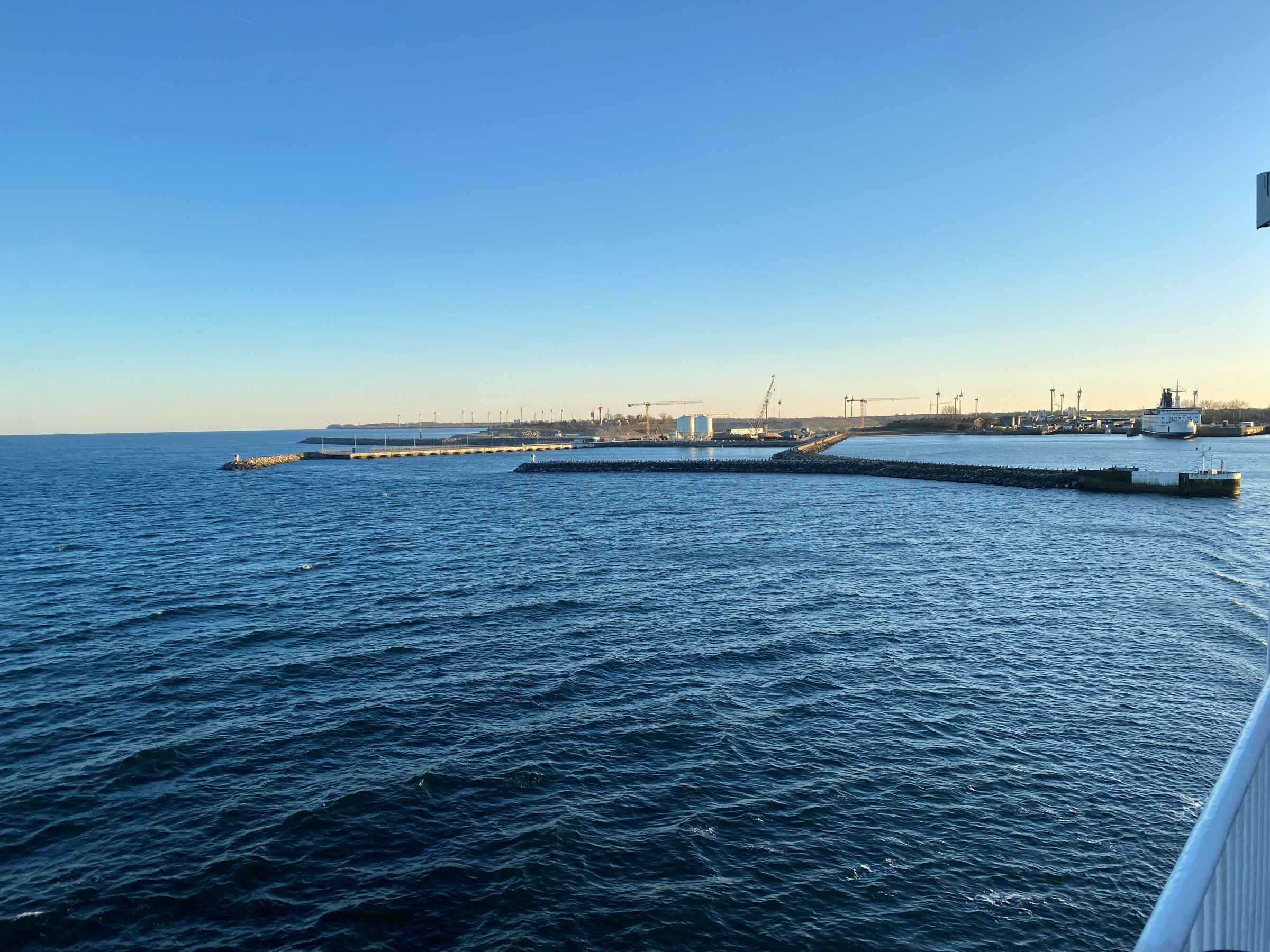
Rødbyhavn would not be there without the ferry. It is a small port town: the terminal, a marina, a beach to the east, and for the past few years a large tunnel construction site, where the elements for the Fehmarnbelt tunnel are cast. You see its cranes from the ferry deck long before you land. Next to the port is Lalandia, the holiday park with the Aquadome water park. Rødby, five kilometres inland, is a quiet market town with a supermarket and a bakery, useful if you arrive on a Sunday evening and need something to eat.
From Rødbyhavn the E47 runs north across Lolland and Falster to Copenhagen, 161 kilometres. The wider island, Lolland, is flat farmland with the lakes of Maribo in the middle and the Knuthenborg safari park; more on what to do there on the day trip page.